Oolong tea
乌龙茶 · Partly oxidised. Floral to roasted.
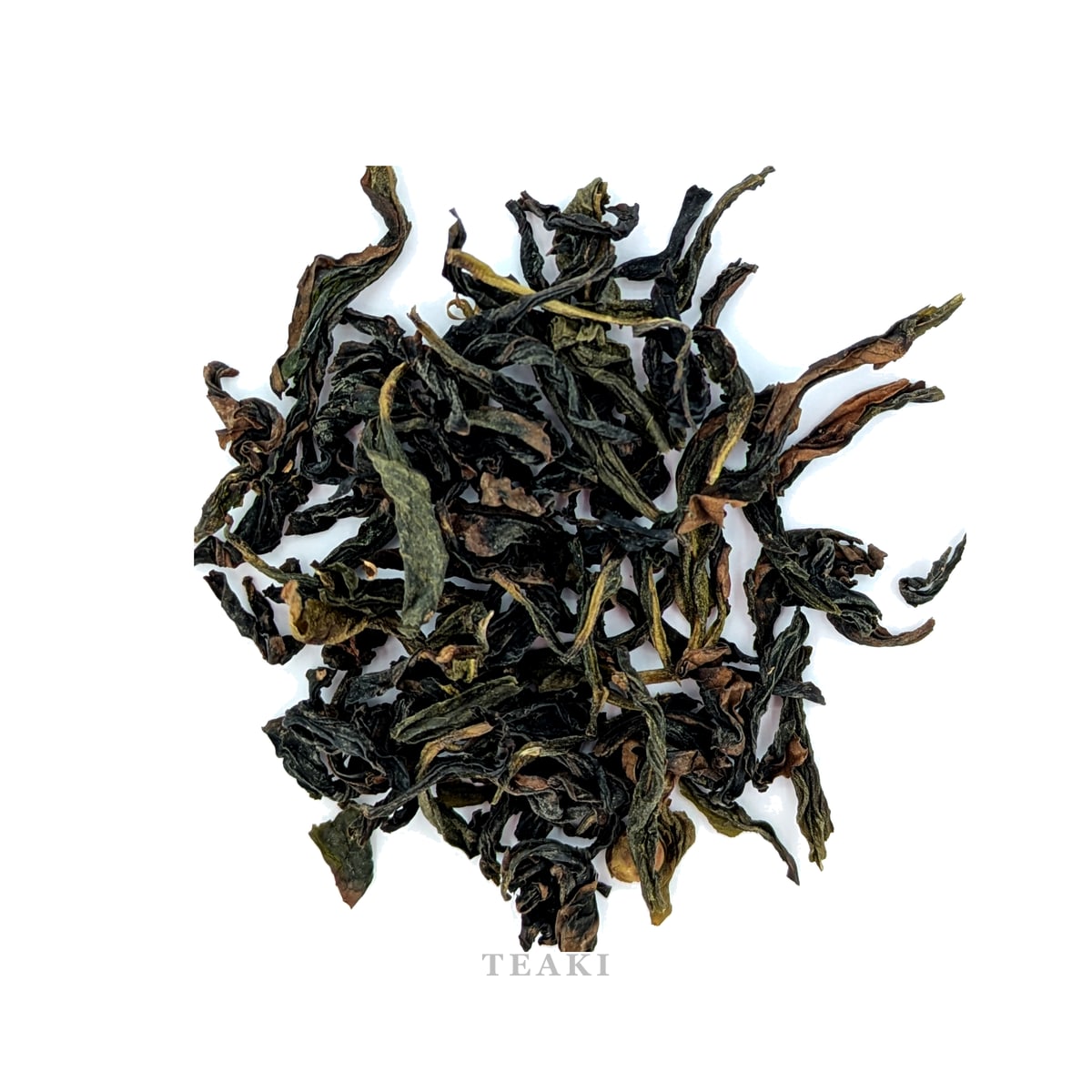
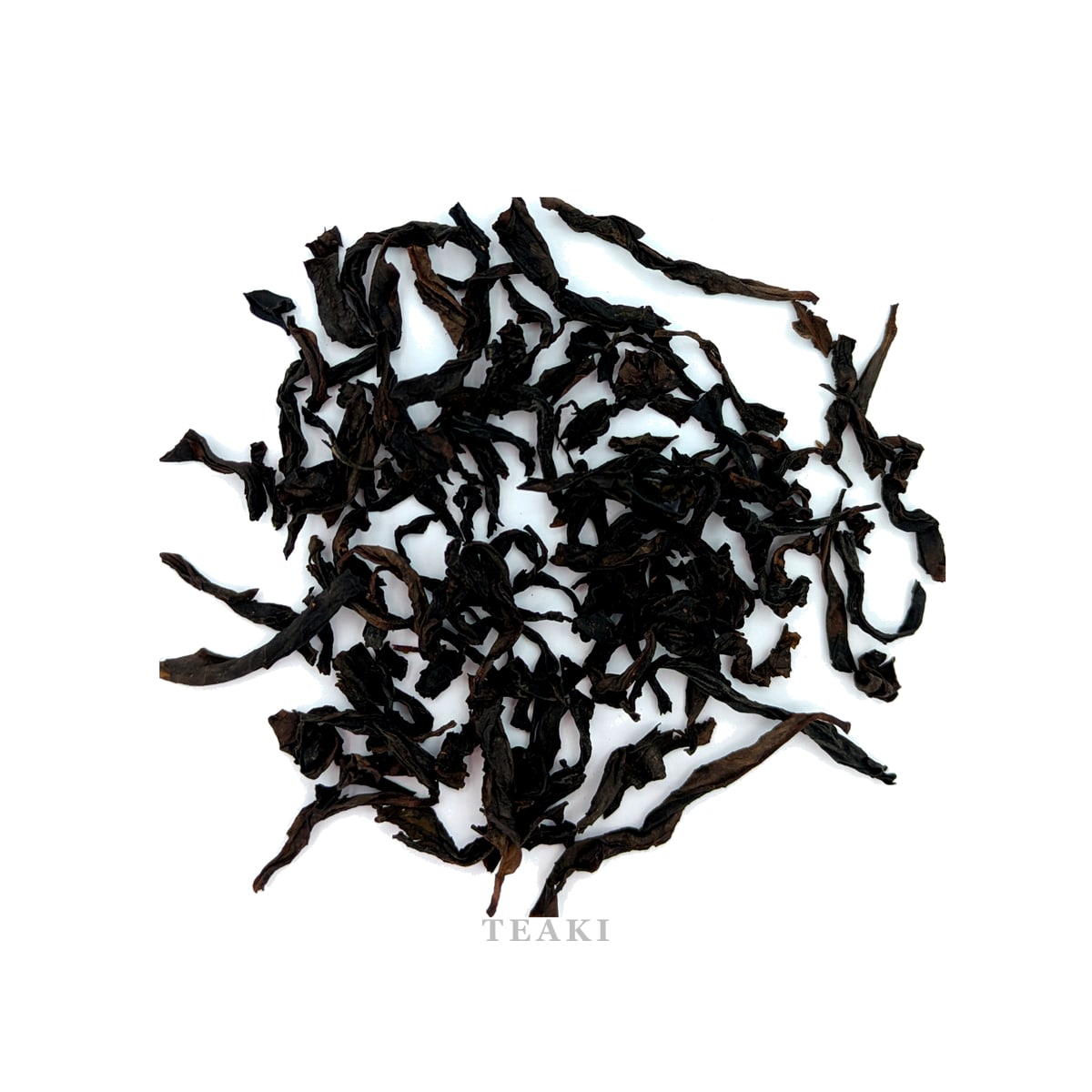
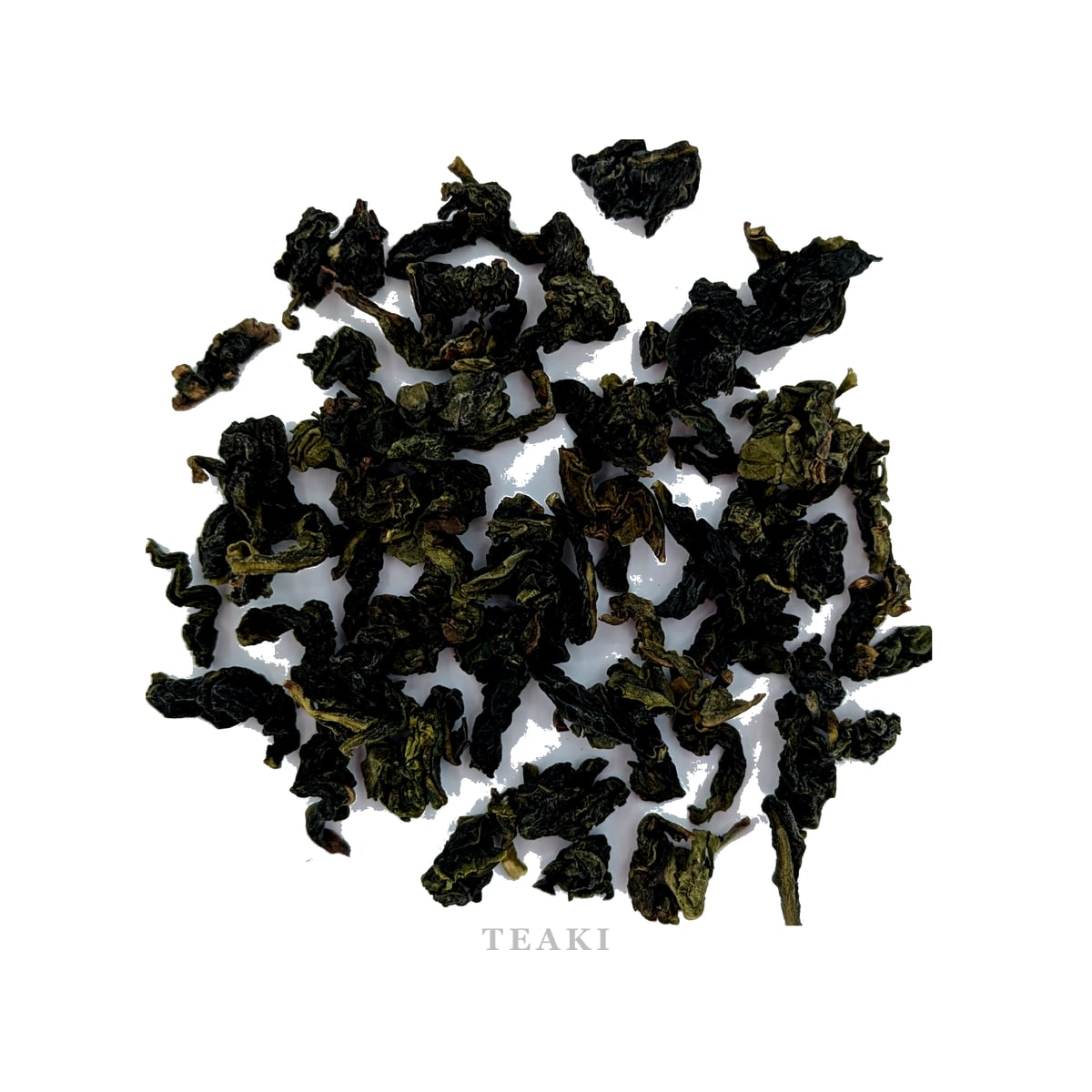
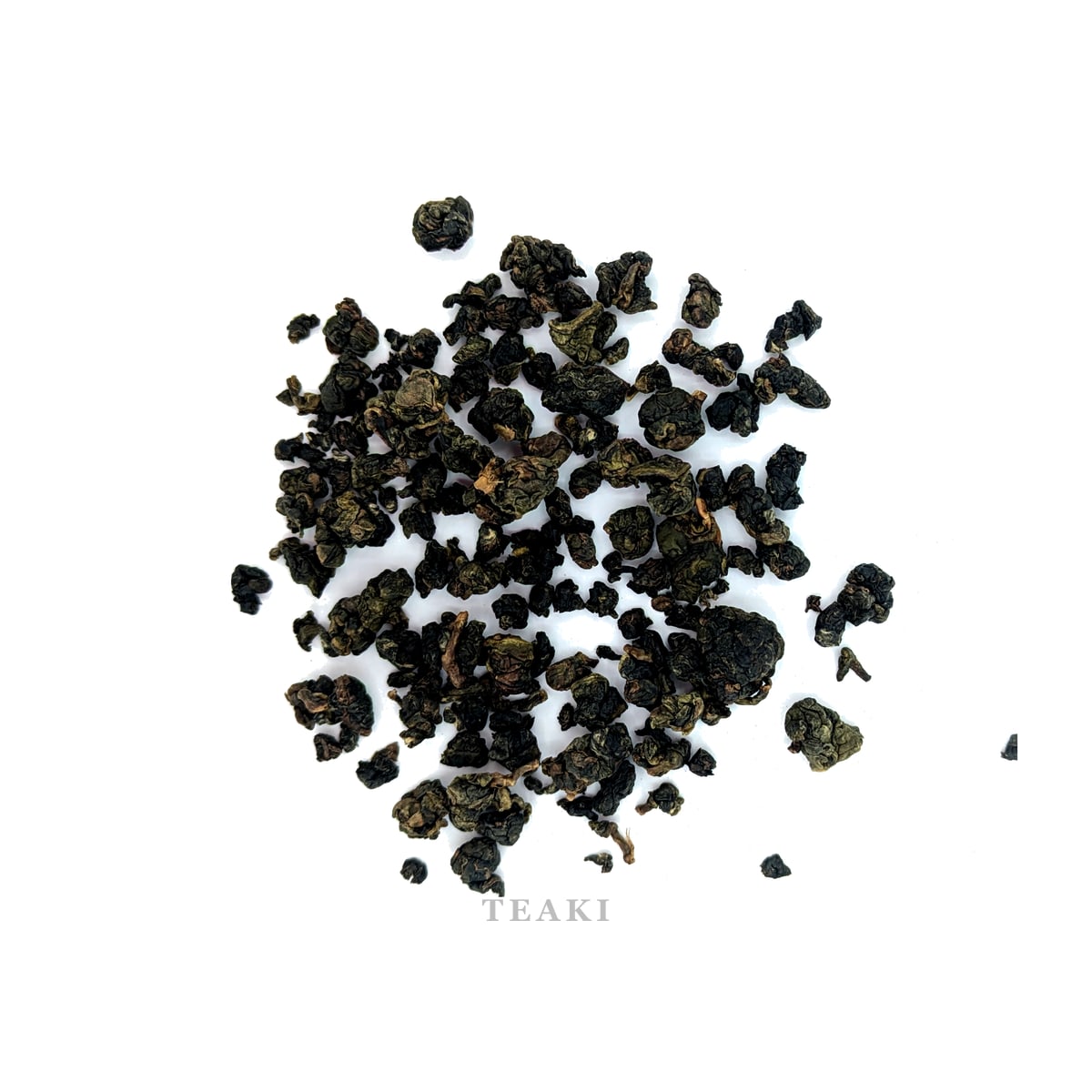
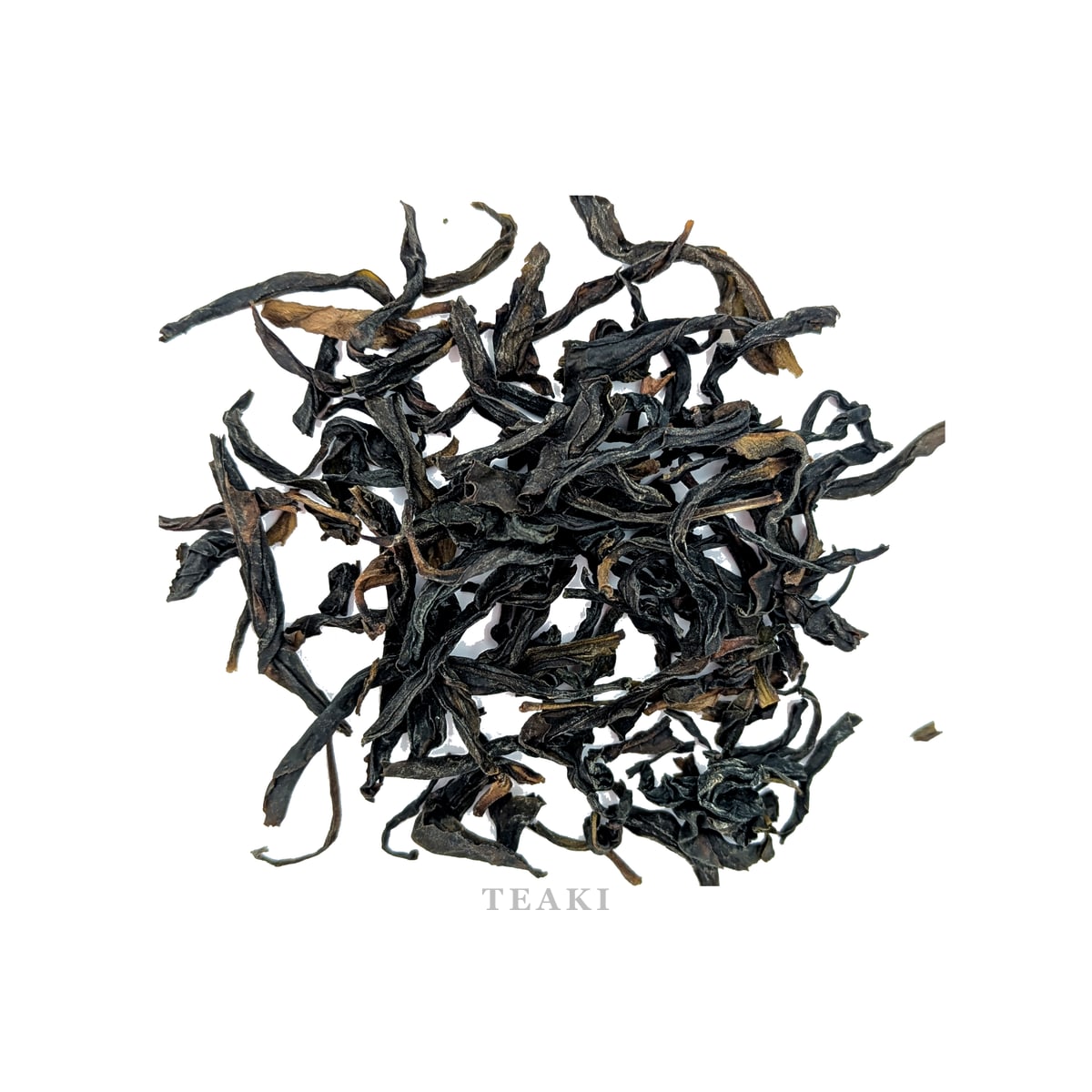
Oolong is a partly oxidised tea from China and Taiwan. The leaf is bruised and rested in stages until its edges darken, then shaped and often roasted. The range is enormous: a green, orchid-scented Tie Guan Yin and a dark, mineral Wuyi rock tea are both oolong. It is the category that rewards gongfu brewing most.
By the TEAKI editors · Updated 21 October 2026 · 6 guides, 63 teas
At a glance
| Origin | Fujian and Guangdong in China, and Taiwan |
|---|---|
| Oxidation | Partial, from lightly green to nearly red |
| Shapes | Ball-rolled in Anxi and Taiwan, twisted strips in Wuyi and Phoenix |
| Roast | None to heavy, and it changes everything |
| Water | 90 to 95 °C |
| Gongfu | 5 to 7 g per 100 ml, short steeps, many infusions |
| Famous names | Tie Guan Yin, Da Hong Pao, Dong Ding, Dan Cong |
Four styles
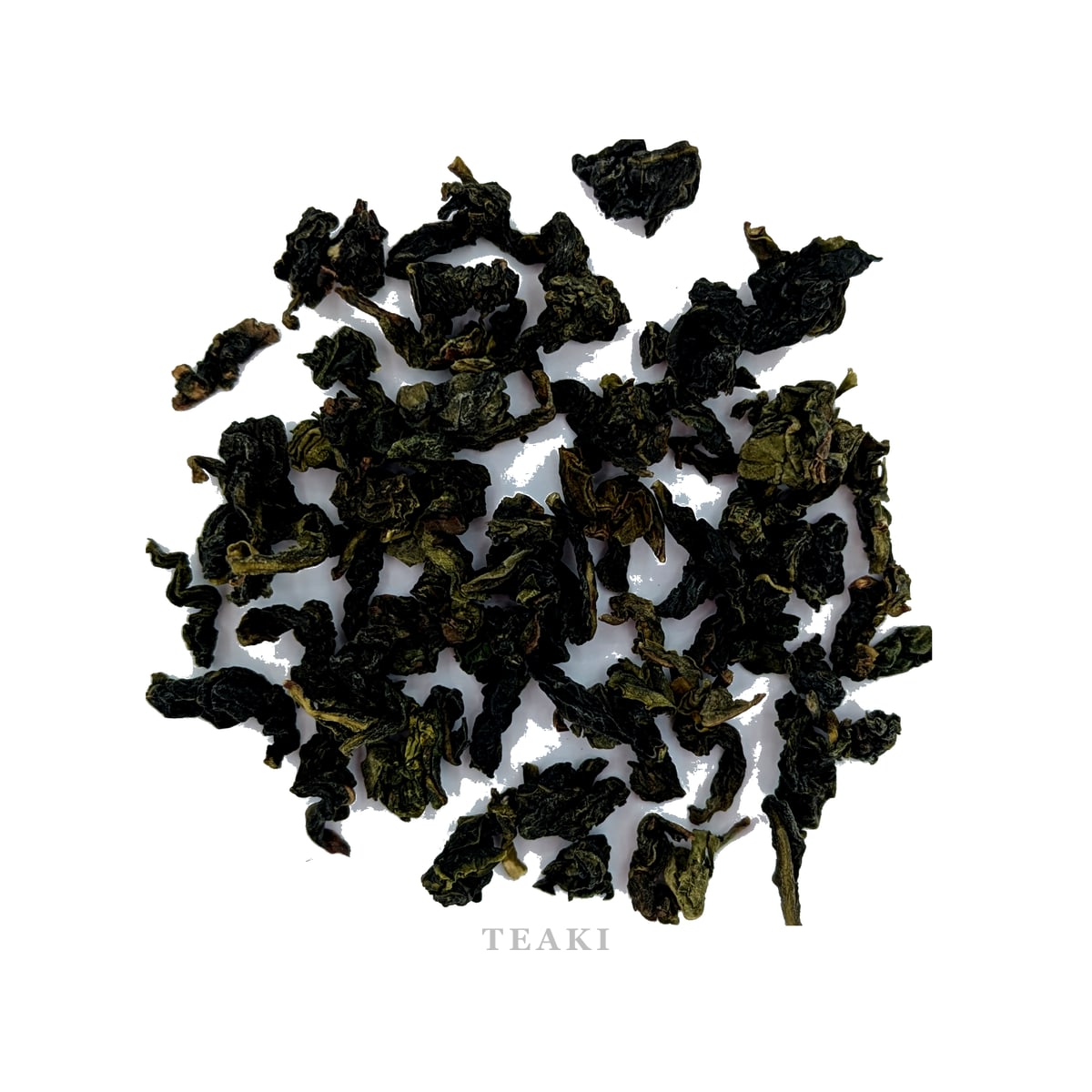
Same category, four very different cups. Roast and place matter more than the word oolong.
Every oolong in the library →The guides
6 pieces, in the order most people need them.
Oolong in the library
63 teas with origin, cultivar and brewing notes.
Questions people ask
Is oolong a green tea or a black tea?
Neither. Oolong sits between them: the leaf is oxidised part of the way, anywhere from lightly green to nearly red, which is why one oolong can taste of orchids and another of toast.
Why do some oolongs taste roasted?
Because they are. Charcoal or electric roasting after shaping drives off grassy notes and adds caramel, stone fruit and a mineral finish. Wuyi rock teas and traditional Tie Guan Yin are roasted; most Taiwanese high-mountain tea is not.
How many times can I steep oolong?
Brewed gongfu style, a good rolled oolong gives six to ten infusions and a Wuyi rock tea often more. Keep the early steeps short and lengthen as the leaf opens.
Does oolong have more caffeine than green tea?
Not reliably. Both land in a wide, overlapping range. Leaf amount, water temperature and steep time move the number more than the category does.
Keep going