Seasonal Tea: When to Buy What
The same garden, the same tree, picked two weeks apart. Completely different tea.
Tea is agricultural. This sounds obvious, but most tea marketing treats it like a manufactured product, consistent, year-round, always available. In reality, the best teas have narrow picking windows, and the date of harvest changes everything: sweetness, body, aroma, price.
Understanding seasonality will not make you a tea expert. But it will stop you from paying premium prices for late-season leaf, and it will help you buy the right teas at the right time.
The Chinese Seasonal Framework
China organises its tea calendar around solar terms (节气, jiéqì), 24 divisions of the year that track agricultural seasons. Three of these terms matter most for tea:
“雨前茶性价比最高. Pre-rain tea has the best value for money.”
Spring Body, Autumn Aroma · 春水秋香
An old Chinese saying: spring teas have the best body (texture, thickness, sweetness), while autumn teas have the best aroma (fragrance, clarity, high notes). This is not always true, but it is a useful framework.
For oolongs especially, autumn is significant. Dan Cong (单丛) from Phoenix Mountain, Tieguanyin from Anxi, and some Wuyi rock teas produce excellent autumn harvests where the aroma is pronounced and the body is lighter, a different expression of the same garden.
Japanese Seasons
Japan follows a different philosophy: freshness is everything. Shincha (新茶, new tea) arrives in late April and May. It is the same cultivar as regular sencha, but made from the first flush of spring growth and processed immediately. Japanese tea culture treats shincha the way the French treat Beaujolais nouveau, a seasonal event, not just a product.
Japanese teas are also shade-grown on specific schedules. Gyokuro and matcha are shaded for 20+ days before harvest, which increases L-theanine (umami) and reduces catechins (bitterness). The timing and duration of shading is precise and deliberate.
Indian Flushes
India uses the flush system: first flush (March-April), second flush (May-June), monsoon flush (July-September), and autumn flush (October-November). Darjeeling first flush is light, muscatel, almost green-tea-like. Second flush is richer, with the famous “muscatel” character. The monsoon flush is what fills commodity blends.
The Seasonal Calendar
Chinese Greens & Whites
Oolongs (Fujian, Taiwan, Guangdong)
Puer (Yunnan)
Japanese (Sencha, Gyokuro, Matcha)
Darjeeling
“明前茶,贵如金. Pre-Qingming tea, precious as gold.”
What to Buy Right Now
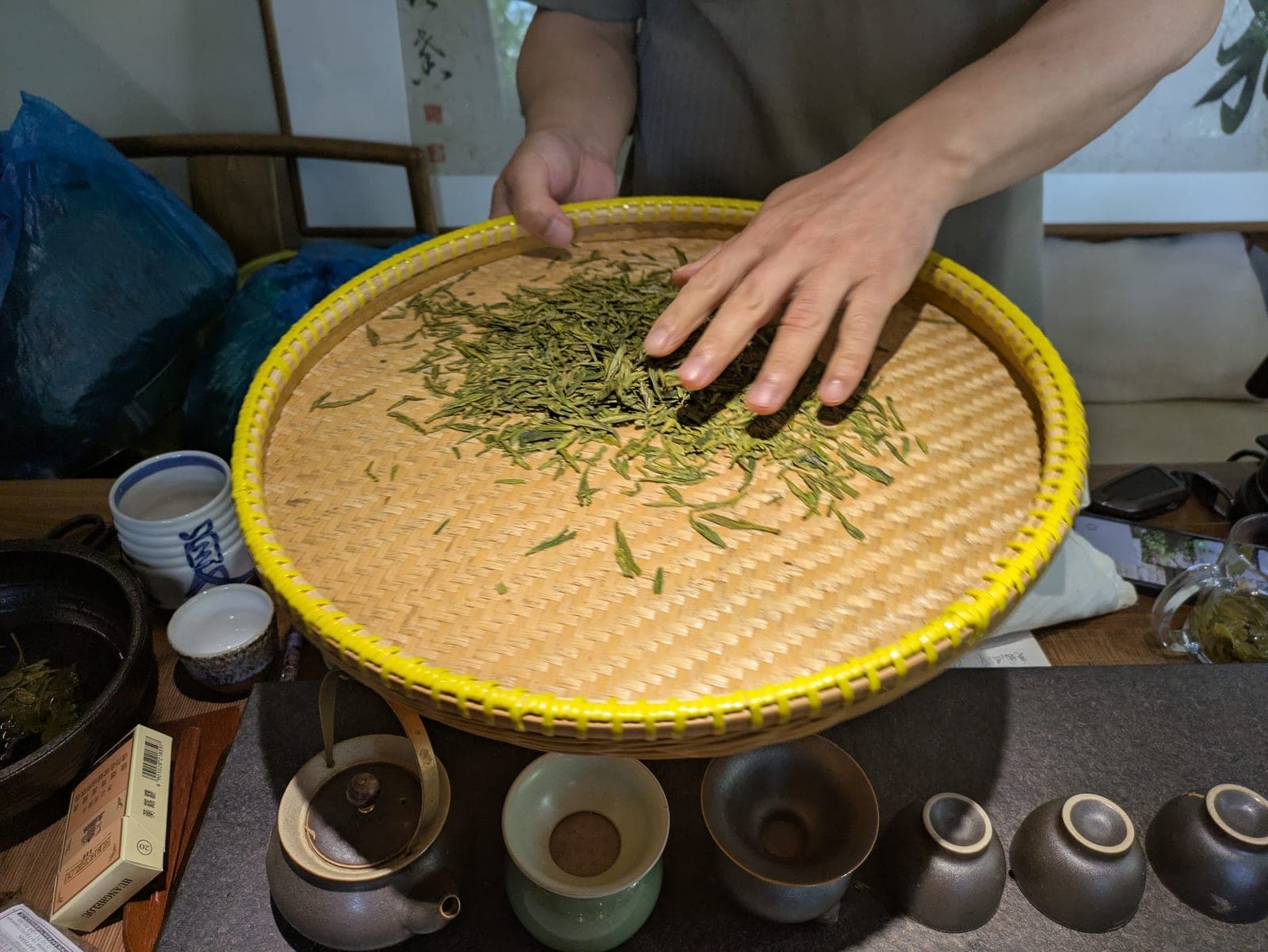
It is April. This is the single most exciting time in the tea calendar. Mingqian greens are arriving from Hangzhou, Suzhou, and Anji. Early spring oolongs from Taiwan are being processed. Shincha from Shizuoka and Uji is weeks away. If you buy one tea this year at its peak, buy a spring green, and brew it within the month.
In season now (April)
More like this
Explore TEAKI Articles