Puer tea
普洱茶 · Yunnan's post-fermented tea.
Puer is a post-fermented tea from Yunnan, in south-west China, made from the large-leaf tea plant and usually pressed into cakes. It comes in two styles: sheng, or raw, which ages slowly over decades, and shou, or ripe, which is wet-piled for weeks to reach that depth early.
By the TEAKI editors · Updated 21 October 2026 · 7 guides, 52 teas
At a glance
| Family | Dark tea, post-fermented, in a category of its own |
|---|---|
| Origin | Yunnan, China |
| Two styles | Sheng (raw) and shou (ripe) |
| Pressed as | Cakes, bricks, tuo, or sold loose |
| Water | 95 to 100 °C, rinse the leaf first |
| Gongfu | 5 to 7 g per 100 ml, short steeps, eight or more |
| Ages well | Sheng changes for decades. Shou settles in a few years |
Sheng vs shou
The same leaf, two routes to the cup. Sheng is left to change on its own; shou is pushed through that change in a warehouse before it is pressed.
Puer for non-collectors →The guides
7 pieces, in the order most people need them.
Start here
Puer for Non-CollectorsSheng vs shou, what aging actually does, and why you do not need to spend $200. · 18 min readTea ShapesCakes, bricks, tuo and loose leaf: why puer is pressed and what the shapes mean.Brewing
GongfuHot water, a rinse, short steeps. The method puer is made for, with the timer.Gaiwan vs Yixing: When to Use WhichTwo vessels. Different philosophies. When each one earns its place. · 8 min readGoing deeper
TheabrowninThe compound behind shou puer's reputation for lowering cholesterol. What the science can and cannot say. · 7 min readTea High, Tea DrunkA real bodily state, a thousand years of mythology, and a chemistry that explains most but not all of it. · 13 min readThe Ancient ForestsXishuangbanna, Menghai, Jingmai, Lincang: the old-tree gardens where puer begins.Puer in the library
52 teas with origin, cultivar and brewing notes.

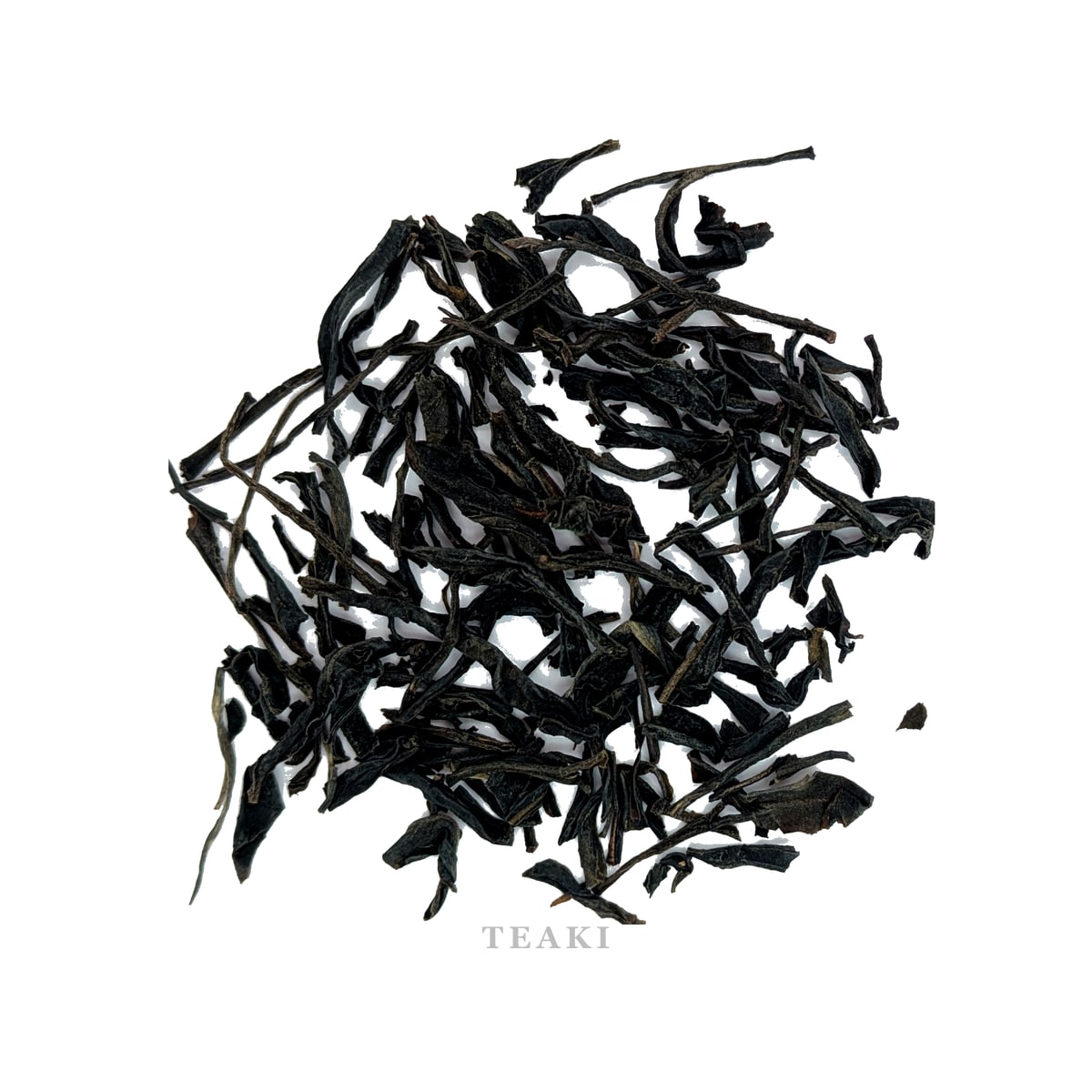


Questions people ask
Is puer a black tea?
No. Puer's colour comes from microbial fermentation after the leaf is made, not from oxidation, so China groups it with the dark teas or on its own. What English calls black tea is China's red tea.
Does puer have caffeine?
Yes, about as much as a red tea per cup. Short gongfu steeps spread it across the session rather than removing it.
Do I need to rinse puer?
A five-second rinse with hot water wakes the compressed leaf and lifts any dust. Pour it away and start the first steep straight after.
Why does young shou taste fishy or earthy?
That is the wet-pile note. It fades after a year or two of airing, which is why slightly older shou is kinder than brand-new.
How long does a cake keep?
Indefinitely, if it stays dry, away from strong smells, and out of sealed plastic. Sheng improves; shou mostly settles and softens.
Keep going