Matcha
抹茶 · Stone-ground green. Whisked, not steeped.
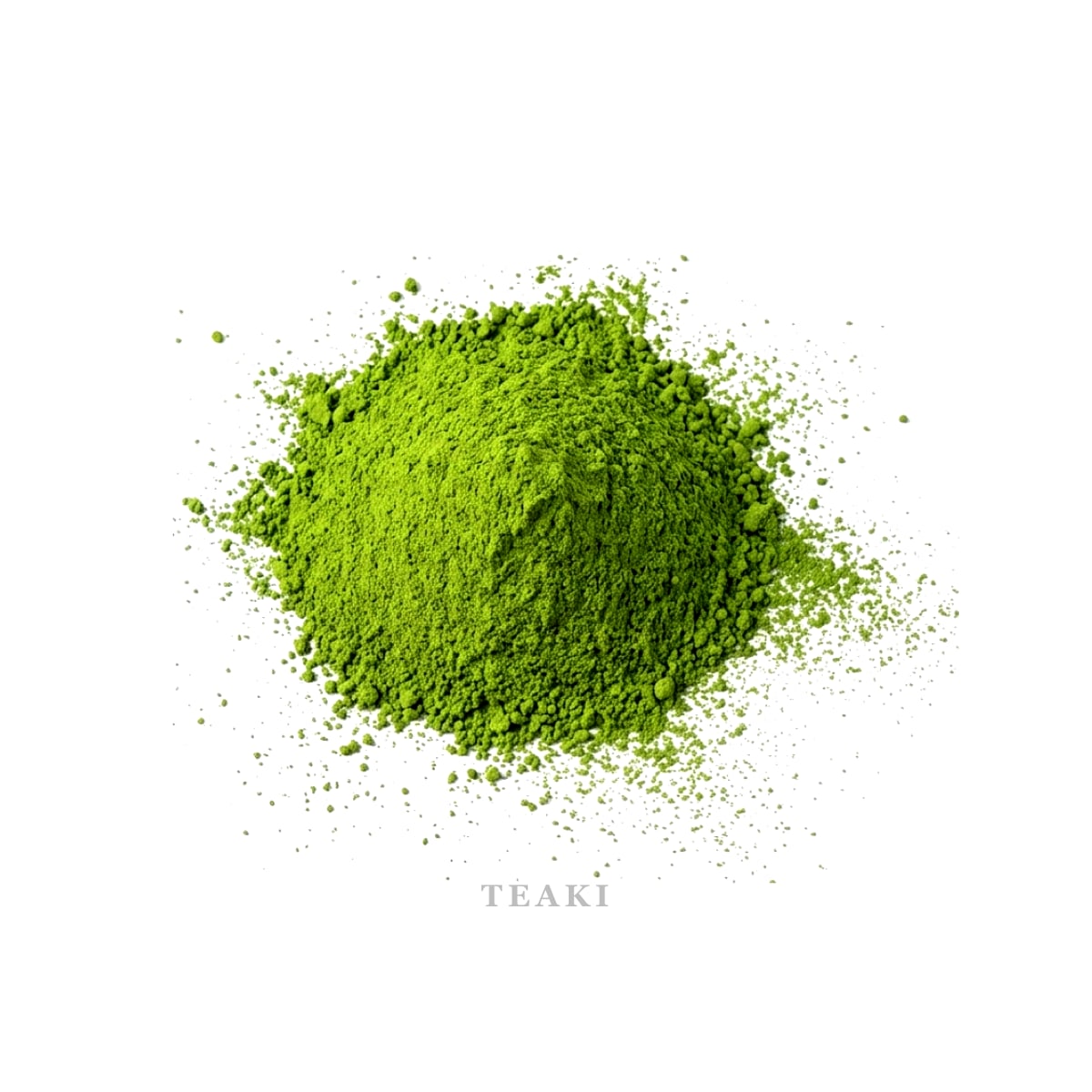
Matcha is Japanese green tea grown in shade for the last weeks before harvest, then steamed, dried, destemmed and stone-milled into a fine powder. You whisk the leaf itself into water rather than steeping it, so you drink the whole thing. Ceremonial grades are made to be drunk plain; culinary grades are made for lattes and baking.
By the TEAKI editors · Updated 21 October 2026 · 5 guides, 4 teas
At a glance
| Origin | Japan, chiefly Uji, Nishio, Kagoshima and Shizuoka |
|---|---|
| Made from | Tencha: shaded green leaf, stems removed, milled to powder |
| Grades | Ceremonial for drinking plain, culinary for mixing |
| Water | 70 to 80 °C |
| Usucha | About 2 g in 70 ml, whisked to a light foam |
| Koicha | Twice the powder, a third of the water, stirred to a paste |
| Keep it | Sealed, cold and dark. Finish it within weeks of opening |
Matcha vs steeped green tea
Same plant, same colour, different drink. The leaf is the difference.
Usucha, step by step →The guides
5 pieces, in the order most people need them.
Start here
After MatchaMatcha got you into good tea. Here is the other half of the tea world: Chinese and Taiwanese loose-leaf, brewed small and many times over, that tastes nothing like the bowl and keeps changing as you steep. · 4 min readUsuchaWhisked, not steeped. The thin-tea method with the timer.Going deeper
How Much Caffeine Is in Your TeaLess than coffee, more than you think. The honest answer is it depends. · 6 min readHow to Taste TeaEnglish vs Chinese tasting frameworks, and six terms that expand what you notice. · 12 min readThe Devoted GardensUji, Nishio, Kagoshima: the shaded, meticulous gardens behind matcha and gyokuro.Matcha in the library
4 teas with origin, cultivar and brewing notes.
Questions people ask
Why does my matcha clump?
Fine powder holds static and moisture. Sift it into the bowl, add a splash of water and work it to a paste with the whisk, then add the rest and whisk fast in a W shape.
What is the difference between ceremonial and culinary matcha?
Ceremonial grade comes from the youngest shaded leaves and is smooth enough to drink plain. Culinary grade is stronger and more bitter, made to stand up to milk, sugar or flour. Neither term is regulated, so judge by taste and colour.
Is matcha healthier than green tea?
You drink the whole leaf, so you get more of everything a green tea contains, caffeine included. Claims beyond that are thinner than the marketing suggests.
Why is good matcha so expensive?
Shading, hand-picking and stone-milling are slow, the tencha harvest is small, and demand has grown faster than the fields. The price reflects the bottleneck, not just the brand.
Keep going