Puer for Non-Collectors
Sheng vs shou, what aging actually does, and why you do not need to spend $200 to drink good puer.
Most of what you read about puer online is written by collectors, for collectors. This is not that.
Puer is one category of tea. It comes from Yunnan province in southwest China, it is made from large-leaf tea trees, and it exists in two forms: sheng (raw) and shou (ripe). That is the skeleton. Everything else is context.
The collector world adds layers of complexity that are real, but not always necessary: vintage years, factory recipe codes, mountain village hierarchies, storage debates, and prices that run from $0.05 per gram to $50. If you want to go there, the rabbit hole is deep and rewarding. But you do not need to get lost in it in order to drink puer that is genuinely good.
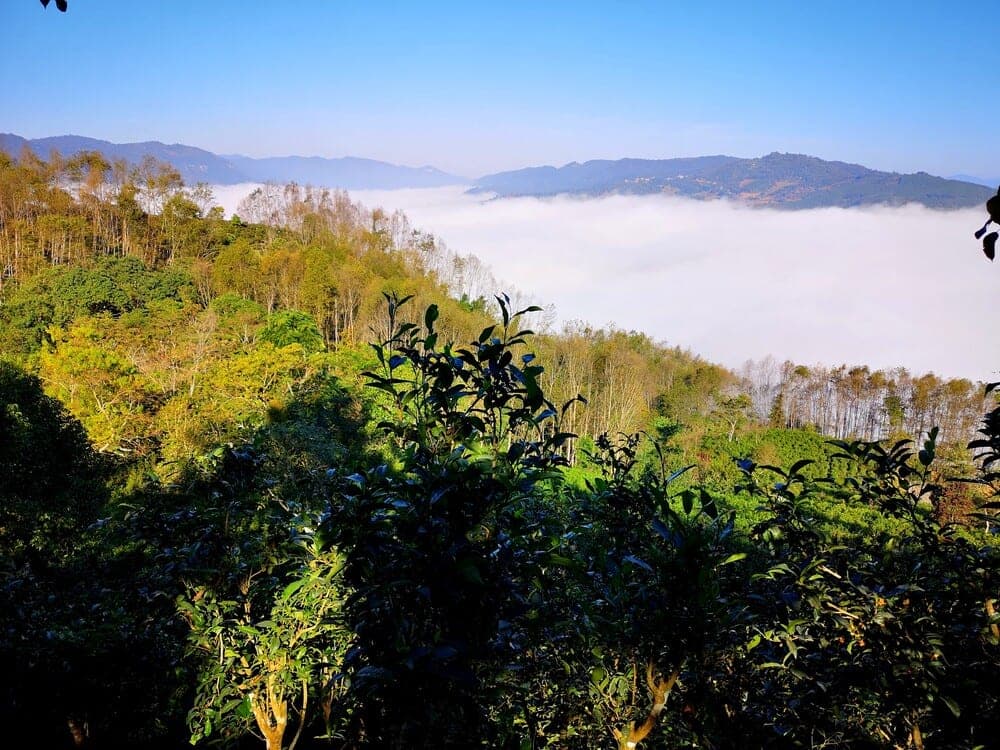
Sheng and shou: the only distinction that matters at first
Sheng puer (生普, raw) is sun-dried tea leaves pressed into cakes and left to age naturally. Young sheng is sharp, sometimes bitter, intensely aromatic. It transforms over years and decades into something softer, sweeter, and more complex. The bitterness that makes young sheng challenging is the same chemistry that makes aged sheng extraordinary.
Shou puer (熟普, ripe) is sheng that has been put through an accelerated fermentation process called wodui (渥堆, wet-pile fermentation). The technique was developed across Yunnan in the early-to-mid 1970s, with key work at both the Kunming and Menghai factories. Before that, everything we now call puer was sheng, aged the slow way. Wodui compressed decades of transformation into roughly 45 days. The result is smooth, earthy, sweet, and ready to drink immediately.
If you are starting with puer, start with shou. It is more immediately approachable: no bitterness to push through, no aging required, no storage decisions to make. A decent shou from a reliable vendor costs $0.10-0.20 per gram. At 5g per session, that is $0.50-1.00 per sitting, for 8-12 steeps.
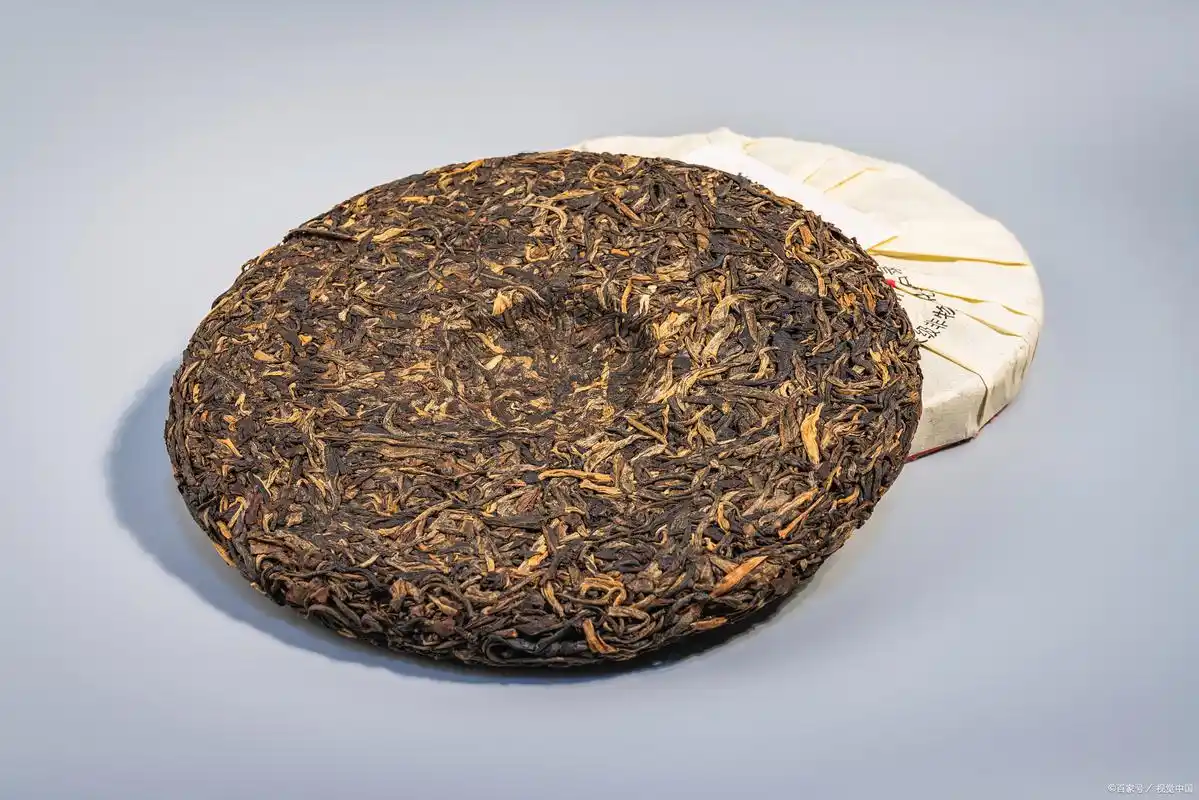
Reading a puer label
Region. This is the most useful piece of information. Mengku (Lincang) teas tend to be bold and thick-bodied. Yiwu (Xishuangbanna) teas are typically soft, sweet, honeyed. Bulang mountain teas are powerful and bitter when young. Each region has a recognisable flavour signature, and unlike vintage years, the region is usually verifiable.
Vintage year. The year on the label tells you when the maocha (loose raw leaf material) was pressed into cake form. It does not tell you how the tea has been stored, which affects the taste far more than age alone. As the anthropologist Jinghong Zhang documented in her study of the puer market, age claims are the easiest to inflate and the hardest to verify.
For most drinkers, ‘Mengku sheng, aged 10 years, dry storage’ is more useful than ‘2014 Mengku.’ The former tells you what it will taste like. The latter is a date.
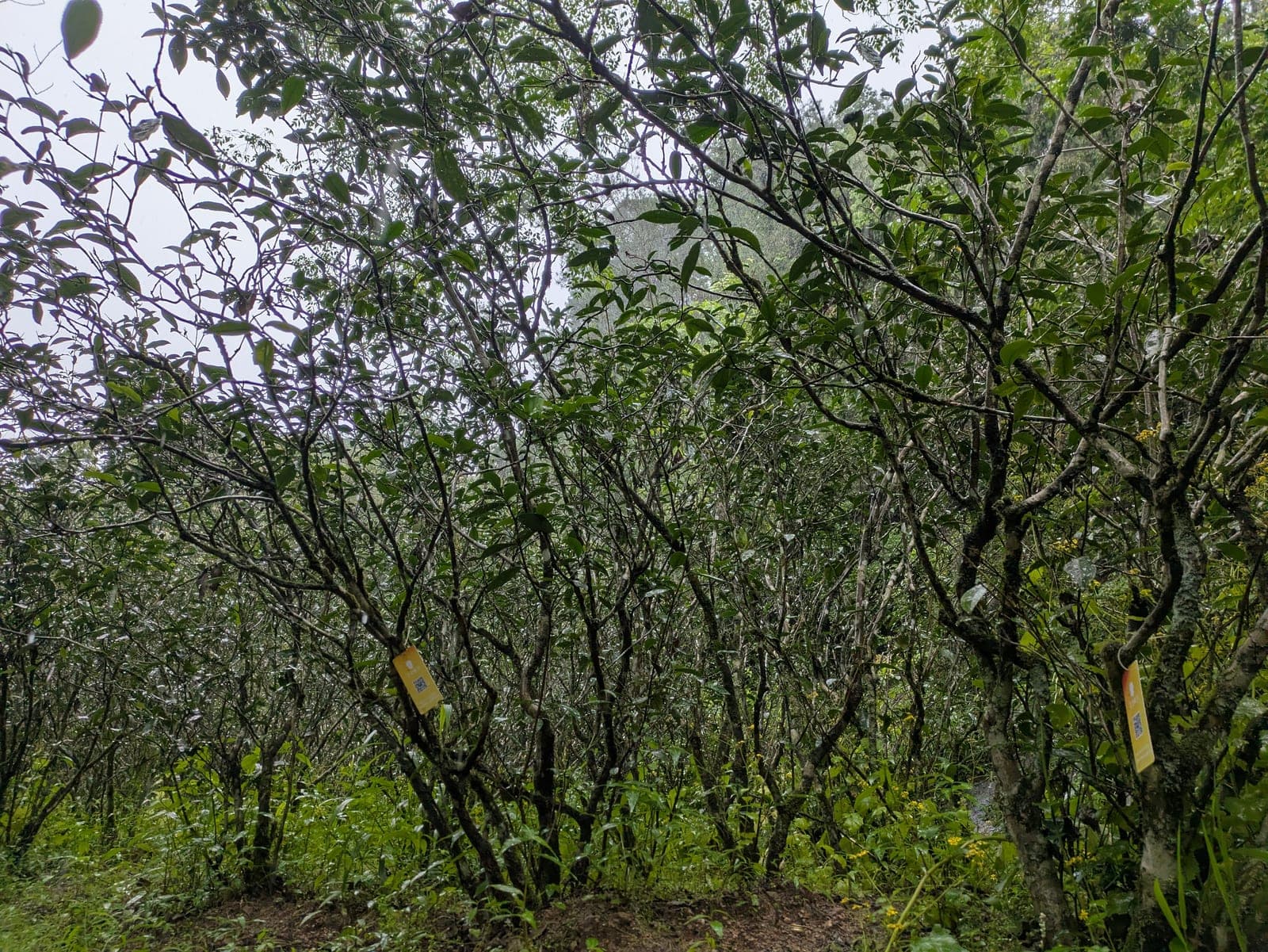
“Gushu” and “ancient tree.” These terms appear on roughly half the puer sold online. They are supposed to indicate tea from trees over 100 years old (some definitions say 300+). In practice, most gushu claims are unverifiable. The price premium for gushu is enormous, the supply is limited, and the incentive to relabel plantation tea is strong. We are not saying all gushu claims are false. We are saying you should not pay a 10x premium based on a wrapper claim from a vendor you have not bought from before.
What to buy first
One shou cake and one young sheng sample. That gives you both sides of puer in your first week.
Start with a vendor you trust, a price you are comfortable with, and no expectations beyond curiosity. The first sip of good shou, dark, clean, sweet in the throat, is a quiet thing. You will know if you want more.
More like this
Explore TEAKI Articles